Top Pumps for Construction and Dewatering Projects: A Comprehensive Guide
Construction and dewatering projects demand reliable, efficient, and robust pumping solutions to manage water, slurry, and other fluids critical to site operations. For contractors, engineers, and project managers, selecting the right type of pump is key to ensuring project timelines, safety, and cost efficiency. This blog post explores the top pumps used in construction and dewatering projects, highlighting their features, applications, and benefits. We also include frequently asked questions to guide your pump selection process for diverse construction needs.
Understanding Pumps for Construction and Dewatering
Pumps in construction serve multiple purposes, including removing excess water from excavation sites, supplying water for dust control, and handling wastewater or slurry. Dewatering especially is vital to create safe, dry work environments and prevent flooding or water damage.
The types of pumps commonly used include centrifugal pumps, submersible pumps, diaphragm pumps, slurry pumps, and positive displacement pumps. Each type has its unique operating principle and is suited for specific fluid types, volumes, and site conditions.
Top Pumps Recommended for Construction and Dewatering Projects
1. Centrifugal Pumps
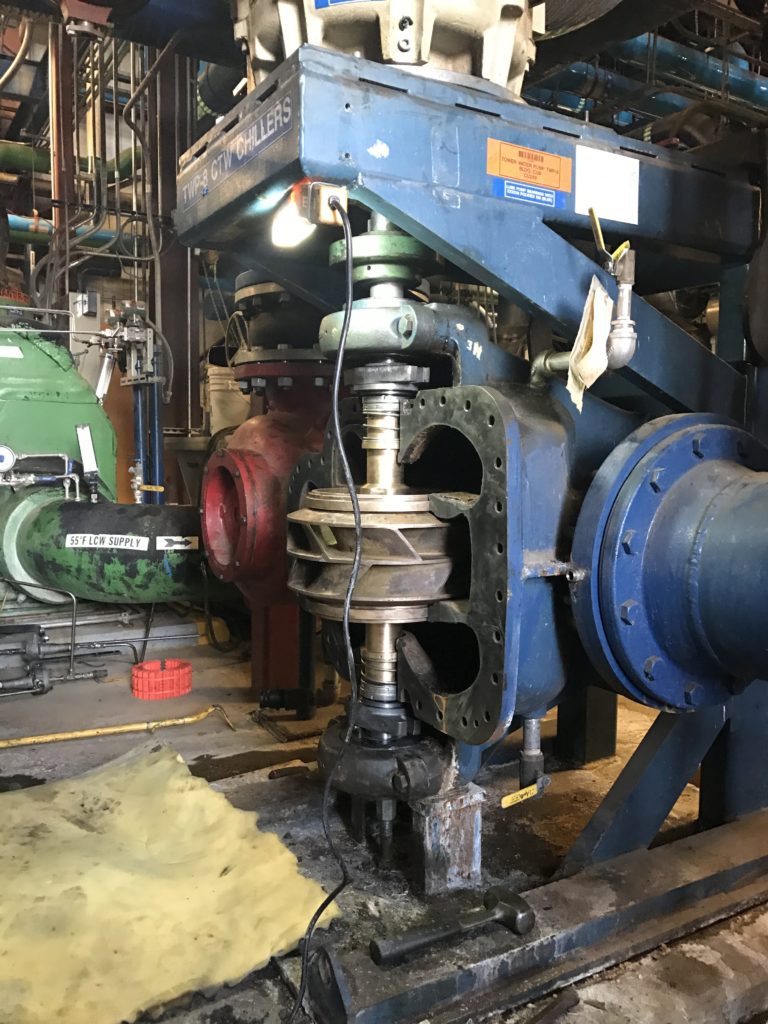
Centrifugal pumps are among the most widely used pumps in construction due to their ability to move large volumes of water quickly and efficiently. They rely on a rotating impeller that generates centrifugal force to push water through the pump.
-
Applications: Surface water removal, irrigation systems, water supply.
-
Advantages: Simple design, relatively low maintenance, efficient for high flow and low to moderate head.
-
Considerations: Not ideal for solids-laden water unless specially designed.
2. Submersible Pumps
Submersible pumps operate underwater, making them perfect for dewatering flooded areas or deep excavations. These pumps have sealed motors that allow them to be fully submerged without damage.
-
Applications: Basement drainage, construction site dewatering, sewage pumping.
-
Advantages: Quiet operation, efficient water removal even from deep pits, less risk of cavitation.
-
Considerations: Must be selected based on the contamination level and solids size in the water.
3. Diaphragm Pumps
Diaphragm pumps are positive displacement pumps that use a flexible diaphragm to move fluids. They are excellent for handling abrasive, corrosive, or viscous fluids.
-
Applications: Pumping slurry, contaminated water, chemical handling.
-
Advantages: Can handle solids and abrasive fluids, good for variable flow rates and pressures.
-
Considerations: Typically slower flow rates than centrifugal pumps, may require more maintenance.
4. Slurry Pumps
Slurry pumps are designed to handle water mixed with solid particles, making them essential for construction sites dealing with mud, sand, or other debris.
-
Applications: Pumping mud, slurry, wastewater with solids.
-
Advantages: Robust construction, wear-resistant materials, can handle abrasive solids.
-
Considerations: Must be matched carefully to the solids content and abrasive nature of the slurry.
5. Positive Displacement Pumps
These pumps move a fixed amount of fluid with each cycle, making them suitable for precise dosing and high-pressure applications.
-
Applications: Concrete pumping, chemical injection.
-
Advantages: High pressure, consistent flow rate.
-
Considerations: Less suited for high flow volume applications compared to centrifugal pumps.
Specialized Pumps from General Pump Chicago
General Pump Chicago provides a broad selection of pumping solutions tailored for construction and dewatering needs, including:
-
Plunger Pumps: High-pressure pumps suitable for demanding fluid applications in construction.
-
Diaphragm Pumps: Ideal for abrasive and corrosive fluids commonly encountered on job sites.
-
Centrifugal Pumps: Versatile and energy-efficient pumps excellent for large volume water handling.
-
Submersible Pumps: Durable submersible models designed for effective water removal and wastewater management.
-
Rotary, Peristaltic, and Metering Pumps: For specialized fluid handling including chemical dosing and fluid transfer.
Their pumps are known for reliability, durability, and support, making them a preferred choice for contractors in commercial, mining, and industrial sectors.
How to Choose the Right Pump for Your Project
-
Assess Water Type: Clean water, contaminated water, or slurry requires different pump types.
-
Calculate Volume & Flow Rate: Match pump capacity to the expected water volume and required flow.
-
Consider Solids Handling: Choose slurry or diaphragm pumps if the water contains abrasive solids.
-
Site Conditions: Evaluate factors like depth, accessibility, and power availability.
-
Efficiency & Maintenance: Opt for pumps with high energy efficiency and manageable maintenance needs.
Frequently Asked Questions (FAQs)
Q1: What pump is best for removing water from a flooded construction site?
A submersible pump is often best for flooded sites since it can operate underwater and efficiently remove large volumes of water from deep or confined areas.
Q2: Can centrifugal pumps handle muddy or sandy water?
Standard centrifugal pumps are designed for clean water, but specialty centrifugal pumps can handle some solids. For heavy solids or abrasive mixtures, slurry or diaphragm pumps are preferable.
Q3: How do diaphragm pumps differ from centrifugal pumps?
Diaphragm pumps use a flexible diaphragm to move fluids and handle abrasive, corrosive, or viscous liquids better, whereas centrifugal pumps rely on impellers to move mostly clean fluids quickly.
Q4: Are there pumps suitable for handling chemicals on construction sites?
Yes, diaphragm and peristaltic pumps are suitable for accurate and safe handling of chemicals, corrosive fluids, and dosing applications.
Q5: What maintenance should I expect with dewatering pumps?
Regular inspection for wear, seal integrity, and motor performance is essential. Pumps handling abrasive slurry might require more frequent maintenance due to wear.
Q6: How important is energy efficiency in pump selection?
Energy-efficient pumps reduce operational costs significantly over the project lifecycle. Variable speed pumps that adjust flow to demand can offer substantial savings.
Final Thoughts
Choosing the right pump is crucial for the success of construction and dewatering projects. With the right equipment, you can ensure efficient water management, site safety, and compliance with environmental standards. General Pump Chicago offers a wide range of pumps built to meet the rigorous demands of construction environments, backed by expert support and industry experience.
For personalized recommendations and detailed product information tailored to your specific project needs, contact General Pump Chicago to get the best pump solutions that enhance your construction efficiency and reliability.
This blog post provides a thorough overview of the top pumps for construction and dewatering projects with practical guidance and FAQs to help you make informed decisions for your pumping needs.

