Efficient heating, ventilation, and air conditioning (HVAC) systems are essential for comfortable living and working environments, whether in residential, commercial, or industrial settings. Central to HVAC and chiller system performance are pumps — the unsung heroes responsible for circulating fluids that carry heat, enabling cooling and heating as needed. This comprehensive blog post explores various pump solutions tailored specifically for HVAC and chiller systems, their types, features, benefits, and maintenance tips. Whether you’re a building manager, engineer, or homeowner looking to improve system efficiency, understanding these pumps is key to optimizing your HVAC operation.
Why Pumps Matter in HVAC and Chiller Systems
Pumps play an indispensable role in HVAC and chiller systems by moving fluid—usually water or water-glycol mixtures—throughout the system. In heating, pumps circulate hot water to radiators or air handlers, while in cooling, chilled water circulates from chillers to cooling coils or fan coil units. Proper pump selection and operation significantly influence the energy efficiency, reliability, and durability of HVAC installations.
Circulation and Heat Transfer
The primary purpose of these pumps is to ensure steady circulation of fluid, which facilitates thermal energy transfer between components such as boilers, chillers, cooling towers, and air handlers. Without efficient pumps, fluid flow can be uneven, leading to poor temperature control, increased energy consumption, and potential system damage.
Impact on Energy Consumption
Pumps can be major energy consumers in HVAC systems. Choosing energy-efficient models like variable-speed pumps that adjust flow per demand can yield major cost savings and reduce environmental footprint. Modern pump technologies help optimize system pressure and flow, minimizing wasted energy.
Types of Pumps Used in HVAC and Chiller Systems
Several types of pumps are commonly implemented in HVAC and chilled water systems. Each type caters to specific performance needs, building sizes, and space constraints.
1. Centrifugal Pumps
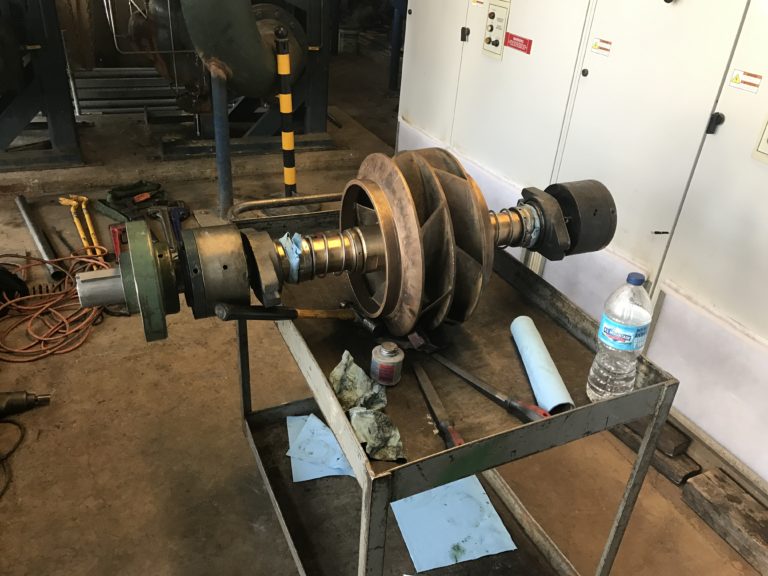
Centrifugal pumps are the most widely used pump type in HVAC applications due to their efficient handling of large fluid volumes at low to medium pressures. They operate by rotating an impeller inside the pump casing, generating centrifugal force that pushes water outward, creating flow.
Subtypes:
End-Suction Pumps: Compact and easier to maintain, these single-stage pumps are common in small to medium HVAC applications.
Split Case Pumps: Designed for large systems, these provide high efficiency and easy access for maintenance with horizontally split casings.
Vertical Inline Pumps: Ideal for limited spaces, vertical inline pumps mount directly in the piping line, offering quiet operation and space savings.
2. Variable-Speed Pumps
Equipped with a Variable Speed Drive (VSD), these pumps adjust their speed in real-time based on system needs. This adaptability reduces energy expenditure by matching flow rates to actual demand rather than constant full-speed operation.
3. Multi-Stage Pumps
Featuring multiple impellers in series, multi-stage pumps generate higher pressures. They suit systems requiring significant pumping head to overcome elevation or long-distance pipe runs common in large commercial HVAC systems.
4. Booster Pumps
Booster pumps increase water pressure in HVAC piping systems where initial pressure is insufficient due to height or distance. They can be single or multi-stage and are critical for ensuring consistent fluid flow across all parts of a building.
5. Condensate Pumps
These specialized pumps remove condensate (water formed from cooled air) from air handlers or coils, preventing moisture buildup and potential water damage in HVAC systems where gravity drainage is not feasible.
Pumps in Chilled Water Systems
Chilled water systems, integral to many commercial and industrial air conditioning setups, rely heavily on pumps to circulate chilled water between the chiller and the cooling load.
Essential Pump Types for Chilled Water Systems
End Suction Pumps
Versatile with a compact design, these pumps efficiently circulate chilled water to terminal units like fan coils or air handlers. Their reliability and cost-effectiveness make them a popular choice.Split Case Pumps
Ideal for large chilled water systems, these pumps provide robust performance and high efficiency. Their split casing allows for simpler maintenance without disturbing pipework.Vertical Inline Pumps
Best suited for areas with limited space, vertical inline pumps offer noise reduction and easy installation, making them suitable for high-rise buildings.
Benefits of Using the Right Pumps in Chilled Water Systems
Enhanced energy efficiency by optimizing flow rates and pressures
Improved system reliability with pumps designed to handle specific operational demands
Reduced maintenance downtime due to easier access and serviceability
Key Considerations When Selecting HVAC and Chiller System Pumps
Choosing the right pump goes beyond size and cost. Here are crucial factors to consider:
Flow Rate and Pressure Requirements: Understand the volume of fluid needed and pressure required for your specific system design.
Energy Efficiency: Opt for pumps with variable-speed drives or high-efficiency motors to lower operating costs.
Space Availability: Compact pump designs like vertical inline pumps may be necessary in tight mechanical rooms.
Maintenance and Reliability: Pumps with accessible components and proven durability reduce long-term costs and downtime.
Noise Levels: Consider noise ratings especially in residential or office environments.
Common Maintenance Tips for HVAC and Chiller System Pumps
Regular maintenance extends pump life and ensures optimal performance:
Inspect and Clean Filters: Dirty filters can severely impact pump efficiency and system airflow.
Monitor Pump Operation: Look out for unusual noises or vibrations that could indicate mechanical issues.
Check for Leaks: Seal and gasket integrity protects pump components and prevents fluid loss.
Schedule Regular Professional Inspections: Qualified technicians can adjust pump settings, check alignment, and replace worn parts before failures.
Frequently Asked Questions (FAQs)
Q1: What is the most common type of pump used in HVAC systems?
A1: Centrifugal pumps, particularly end-suction types, are the most commonly used because they efficiently handle large volumes at moderate pressures and are cost-effective for a range of system sizes.
Q2: How do variable-speed pumps save energy in HVAC systems?
A2: Variable-speed pumps adjust their operating speed based on real-time demand, reducing unnecessary energy consumption during low-load periods, thus improving overall system efficiency.
Q3: Why are booster pumps necessary in large buildings?
A3: Booster pumps increase water pressure to overcome losses due to height and long piping runs, ensuring consistent flow throughout the entire HVAC system.
Q4: What maintenance is required for HVAC pumps?
A4: Regular cleaning of filters, inspection for leaks, listening for unusual noises, and periodic professional maintenance help maintain pump efficiency and longevity.
Q5: Can vertical inline pumps be used in chilled water systems?
A5: Yes, vertical inline pumps are suitable for chilled water applications, especially in space-limited areas such as high-rise buildings, due to their compact design and quiet operation.
By understanding the diverse pump options available for HVAC and chiller systems and adhering to maintenance best practices, building owners and engineers can significantly enhance system performance, energy efficiency, and equipment lifespan. For expert advice and high-quality pump solutions tailored to your HVAC needs, reach out to General Pump Company.

